Modern dogs are sicker than ever. It’s time to feed them like nature intended.
Bowl Full of Trouble
Over the past two decades, our pets have faced a growing health crisis. Obesity, cancer, diabetes, and chronic disease have become alarmingly common — and for most dogs, it starts with what’s in the bowl.
We love our dogs like family. But the way we feed them is making them sick.
hard truths about dog health
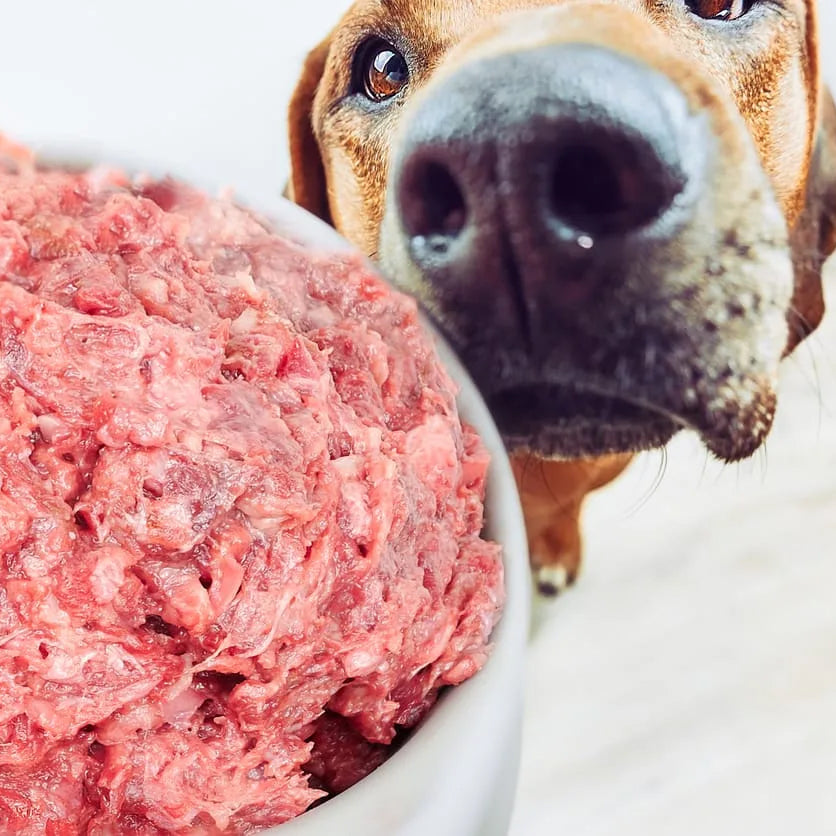
benefits of feeding raw
Feeding raw isn’t just about what you take out — it’s about everything your dog gains. From shinier coats to cleaner teeth, here are the real-world benefits pet parents notice after making the switch.
 Shinier Coat & Healthier Skin
 Shinier Coat & Healthier Skin
Raw diets are rich in essential fatty acids, like omega-3s, which nourish the skin and promote a glossy, resilient coat. Many pet parents report less itching, flaking, and shedding after switching.
Better Digestion & Smaller Stools
Better Digestion & Smaller StoolsDogs digest raw food more efficiently, resulting in smaller, firmer, less frequent stools. Without fillers and indigestible carbs, their gut can absorb more nutrients and maintain better overall digestive health.
Cleaner Teeth & Fresher Breath
Cleaner Teeth & Fresher BreathRaw meaty bones help scrape away plaque naturally. Combined with the absence of sugary kibble starches, a raw diet promotes healthier gums, whiter teeth, and noticeably fresher breath.
Lean Muscle & Optimal Weight
Lean Muscle & Optimal WeightA balanced raw diet supports ideal body composition — lean muscle mass without excess fat. With no empty calories or artificial preservatives, dogs maintain a healthy weight and build functional strength.
Increased Energy & Vitality
Increased Energy & VitalityWhen fueled by species-appropriate nutrients, dogs often display more stable energy levels, improved stamina, and a brighter, more engaged temperament. It’s a difference you can see within days or weeks.
Reduced Allergies & Inflamation
Reduced Allergies & InflamationRaw feeding can help alleviate symptoms tied to chronic inflammation — like itchy skin, red paws, or recurring ear infections. Removing allergens like corn, soy, and wheat makes a huge difference.

Why Dogs Thrive on Raw
Evolutionary biology, canine anatomy, and modern wellness science all point to one thing — dogs are built to eat raw.
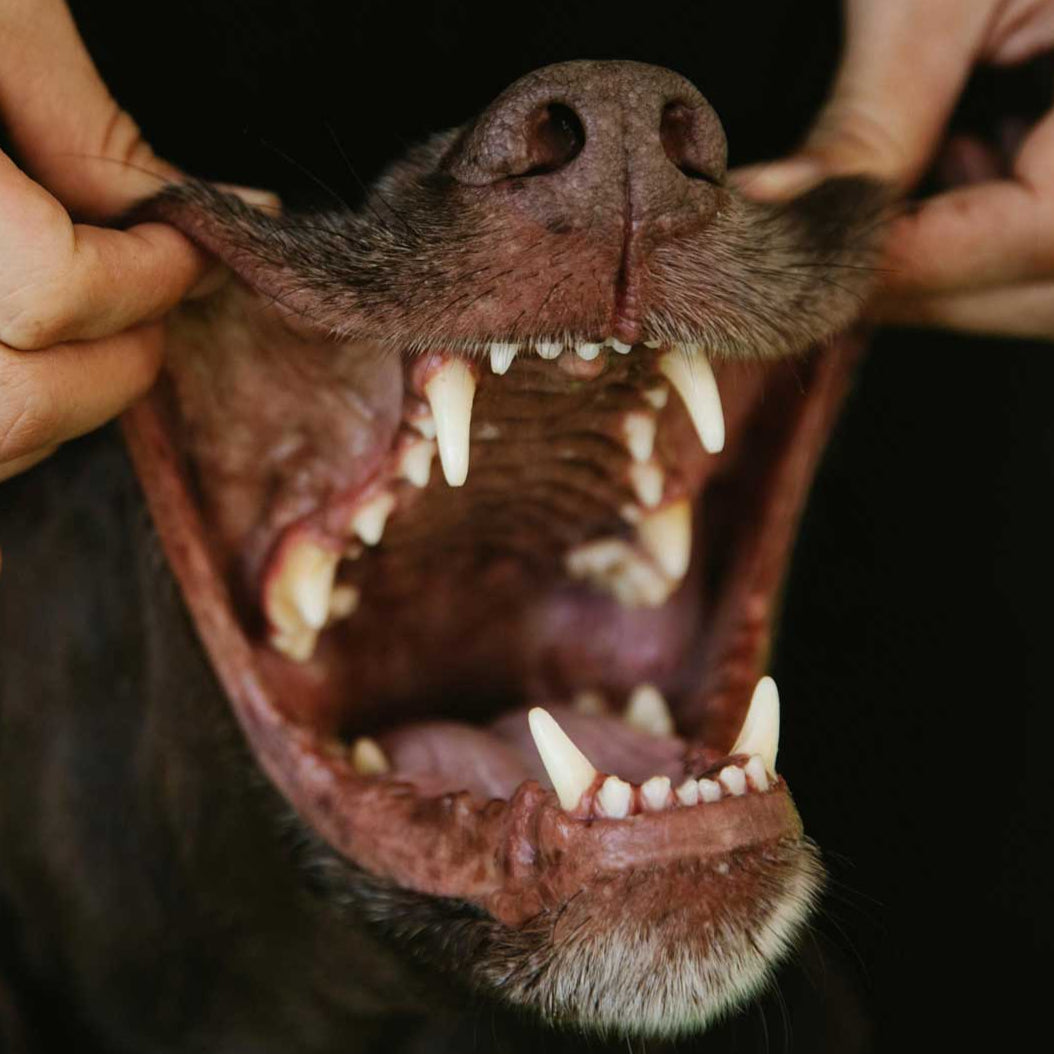
Sharp, pointed teeth
Dogs have long, pointed canine teeth and sharp carnassials — tools evolved for slicing and tearing raw flesh. Their mouths aren't designed to chew plants or mash grains like omnivores or herbivores.
Short, efficient digestive tracts
Dogs have short, simple digestive systems that move food quickly through the body. This rapid transit is perfect for raw meat, reducing the chance for harmful bacteria to colonize and cause illness.
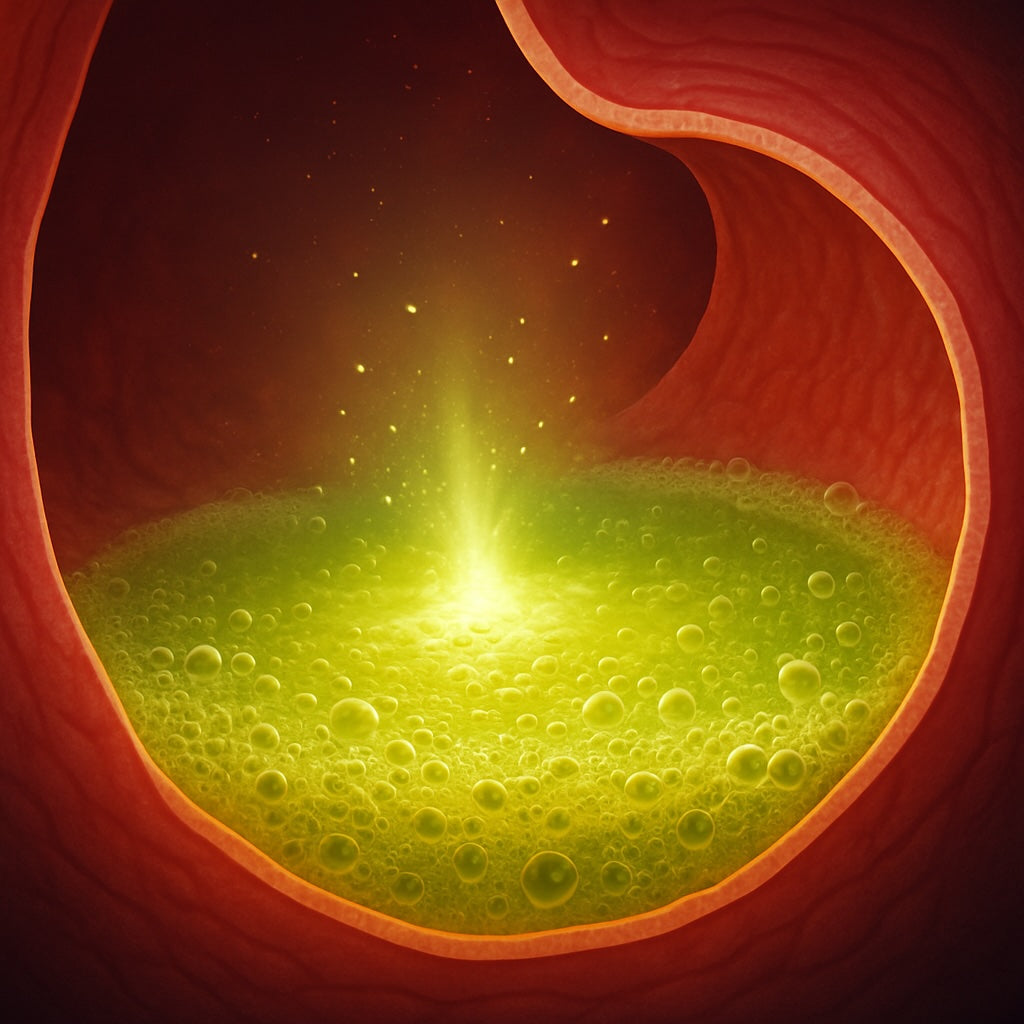
Highly acidic stomachs
A dog’s stomach acid is about 100 times more acidic than a human’s. This powerful environment breaks down raw meat and bone while neutralizing pathogens like salmonella and E. coli.
raw myths : debunked
Despite raw feeding’s growing popularity, myths and misinformation still cause hesitation. From safety concerns to outdated advice, we’re here to clear things up — with real facts and simple truths every dog owner deserves to know.
myth 1 : Raw Food Is Unsafe Because of Bacteria
Dogs have acidic stomachs and short digestive tracts specifically designed to handle raw meat. Bacteria like salmonella and E. coli are neutralized before they can cause harm. With otto’s carefully sourced, frozen meals, raw feeding is not just safe — it’s likely safer than kibble stored in open bags for weeks.
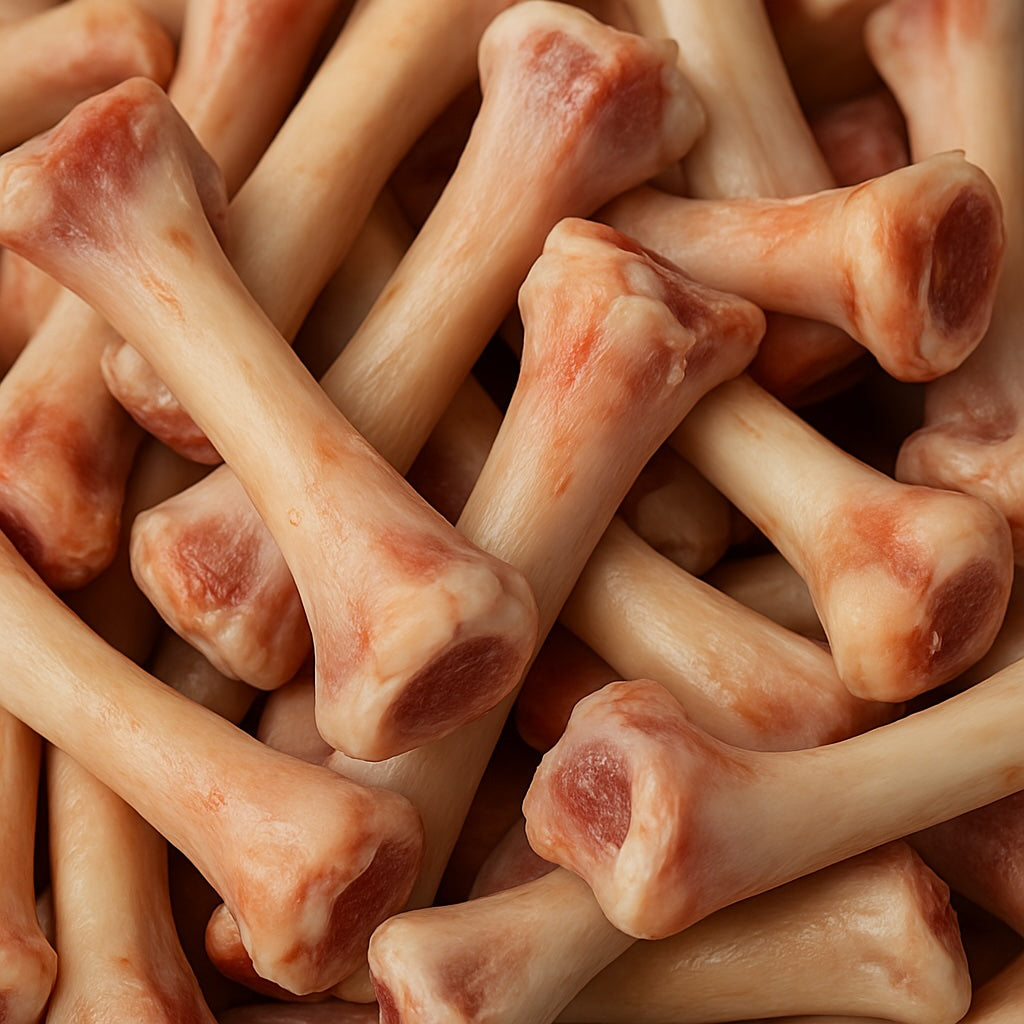
myth 2 : Bones in Raw Food Will Splinter
Cooked bones splinter. Raw bones do not. They’re soft, flexible, and packed with nutrients. otto selects raw meaty bones that are safe, appropriate in size, and beneficial — especially for dental health. When fed properly, raw bones are a natural, essential part of a canine diet.
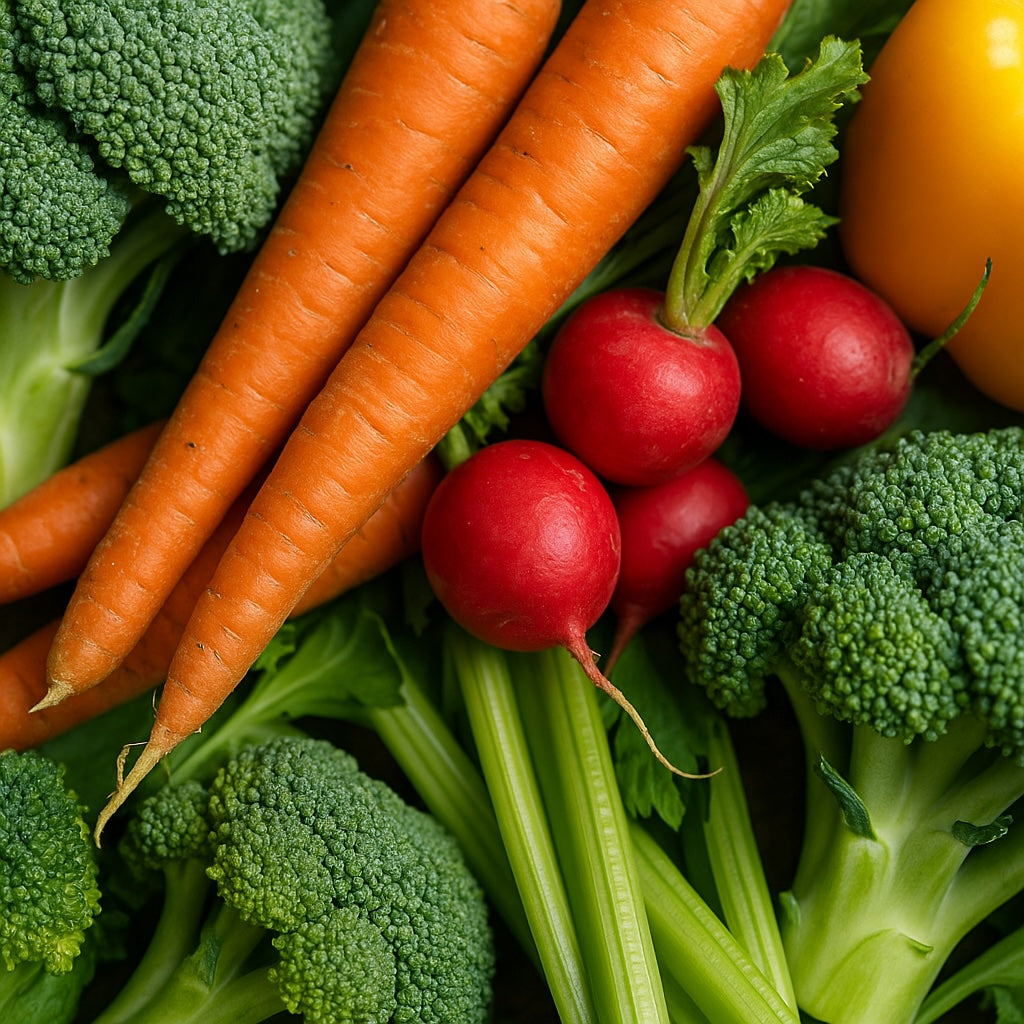
myth 3 : Dogs Need Carbs for Energy
Dogs are metabolically built to run on fat and protein — not carbohydrates. In fact, they have no dietary requirement for carbs at all. Feeding high-carb kibble goes against their natural biology and often leads to inflammation, weight gain, and chronic conditions over time.
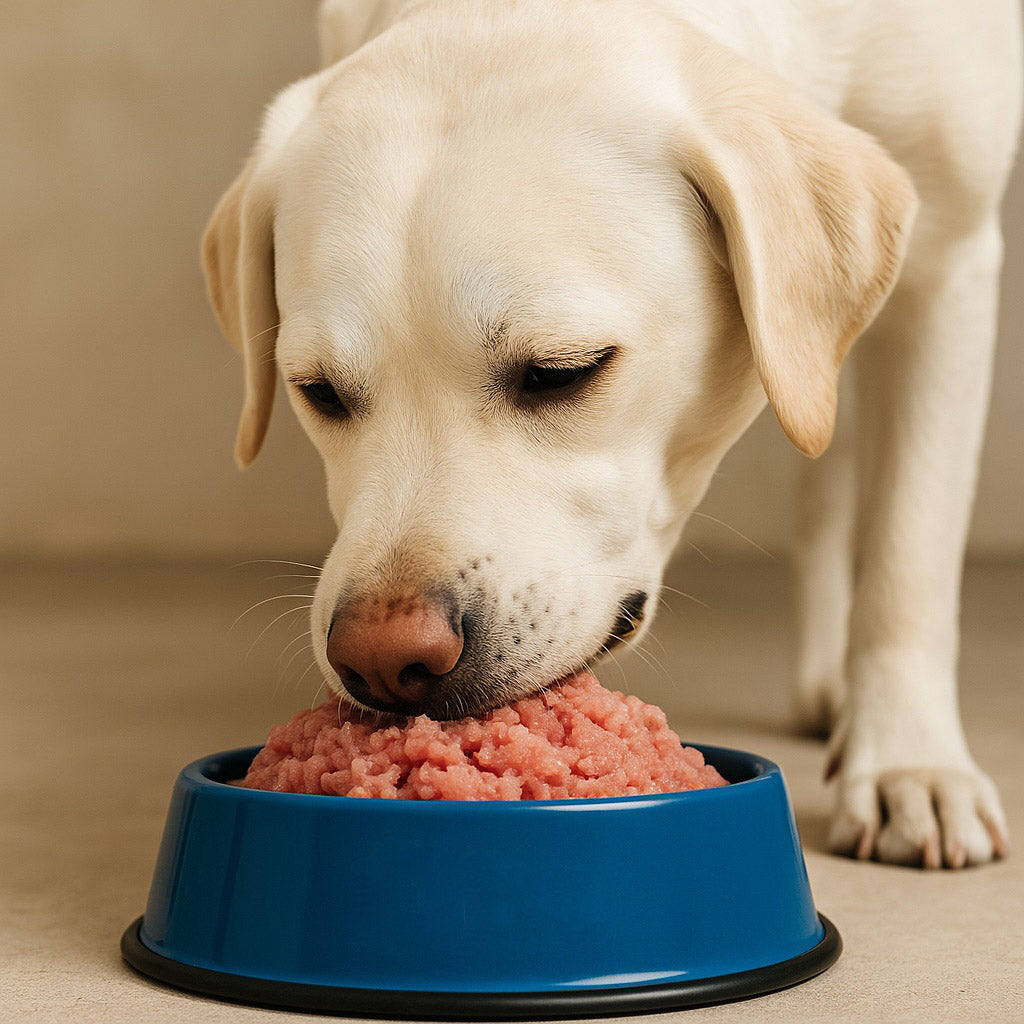
myth 4 : Raw Feeding Is Too Complicated
It doesn’t have to be. otto meals are pre-portioned and balanced using the 80/10/10 model — no measuring or guesswork. Just thaw, serve, and watch your dog thrive. Once you see the benefits, feeding raw quickly becomes second nature.

myth 5 : Vets Don't Recommend Raw Feeding
While some vets are skeptical, a growing number support raw feeding — especially those trained in nutrition or integrative care. Traditional veterinary schools often rely on kibble-sponsored education, but the tide is turning as more professionals recognize the benefits of real, fresh food.
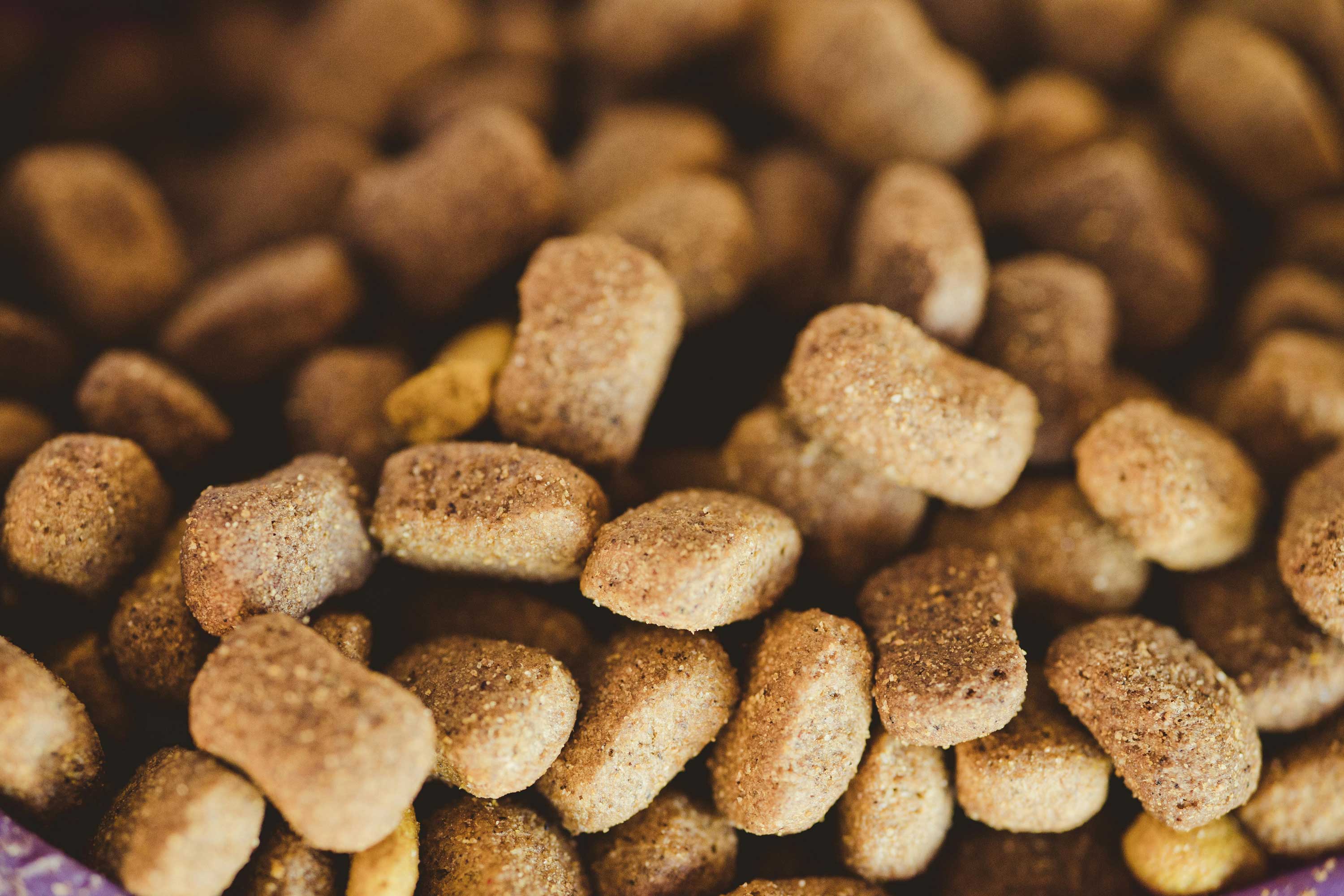
Behind the shiny bags and “complete and balanced” claims lies a food filled with low-grade meat, synthetic additives, and cheap fillers that fuel chronic disease. Kibble is ultra-processed, carb-heavy, and often contaminated — and it’s quietly shortening dogs’ lives.
so, why choose otto ?
otto isn’t just another raw dog food brand. We reimagined everything — from nutrition to packaging to delivery — to give dogs the health they deserve, without the waste or compromise.
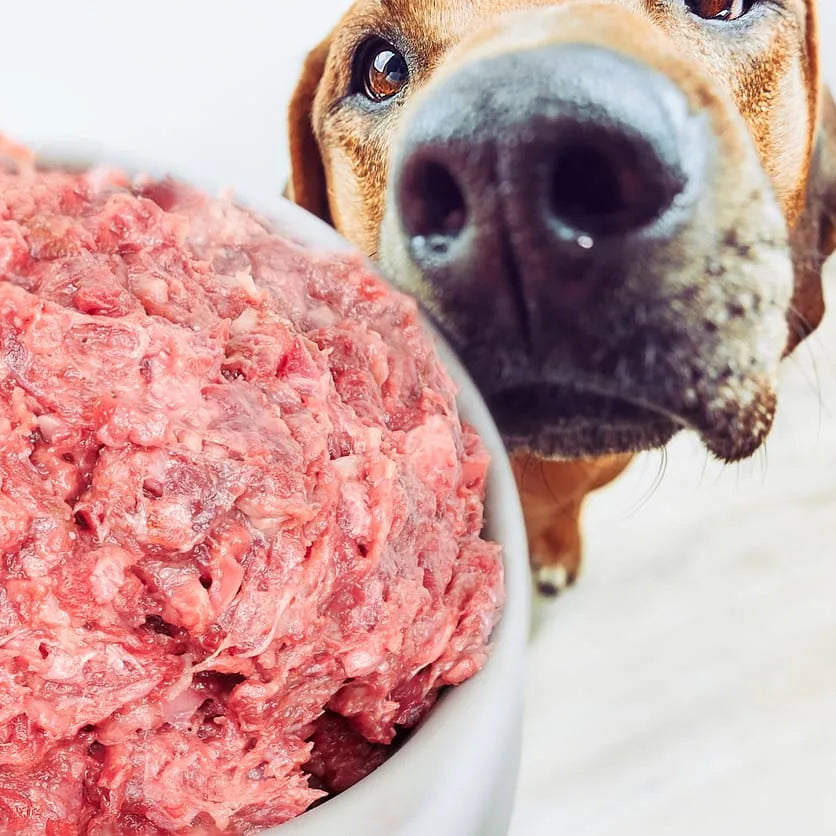
A Healthier Formula, from the Ground Up
Each otto meal is built on the gold-standard 80/10/10 ratio of muscle meat, bone, and organ — made only with human-grade ingredients and designed to mirror what dogs are biologically meant to eat.
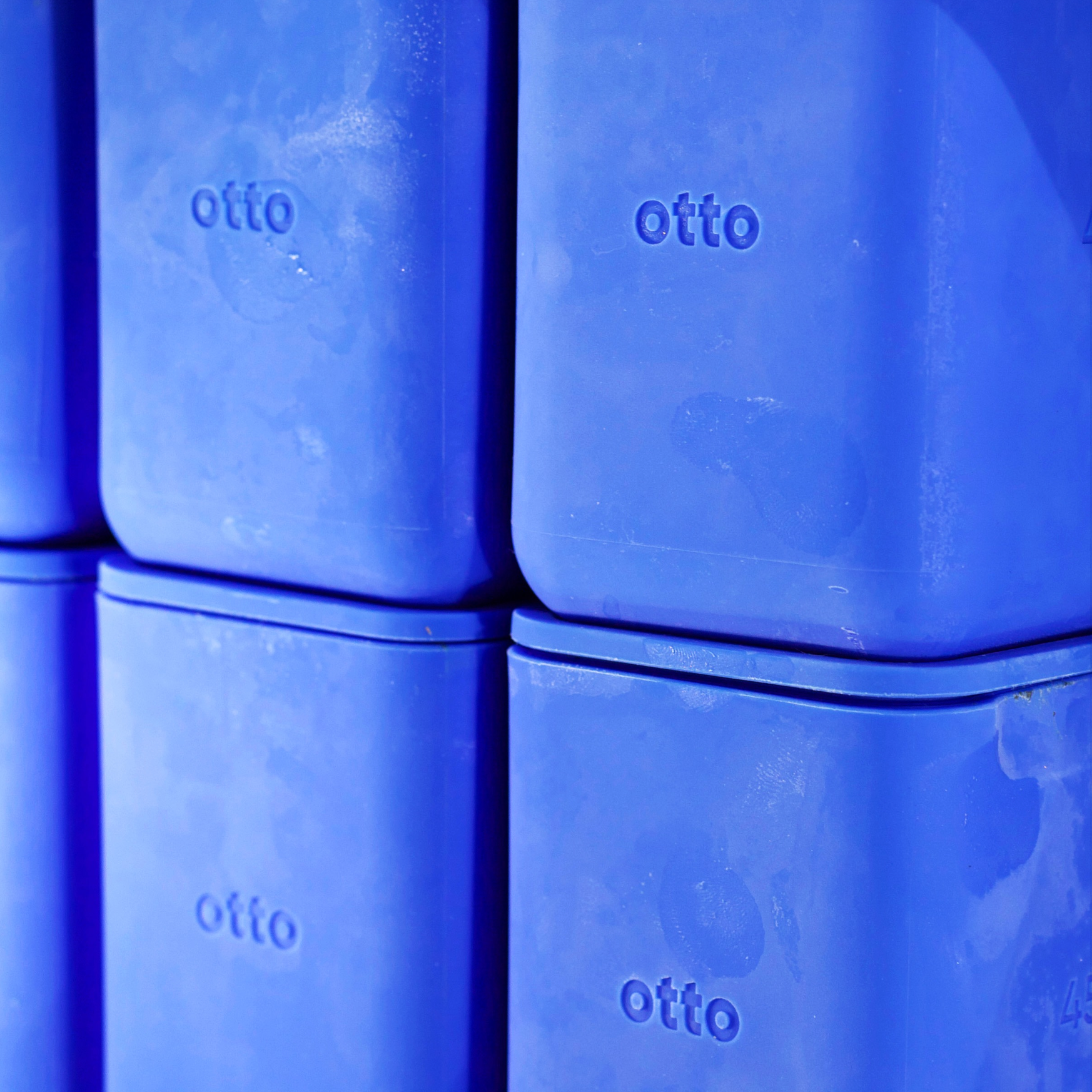
Zero-Waste, Infinitely Reusable Packaging
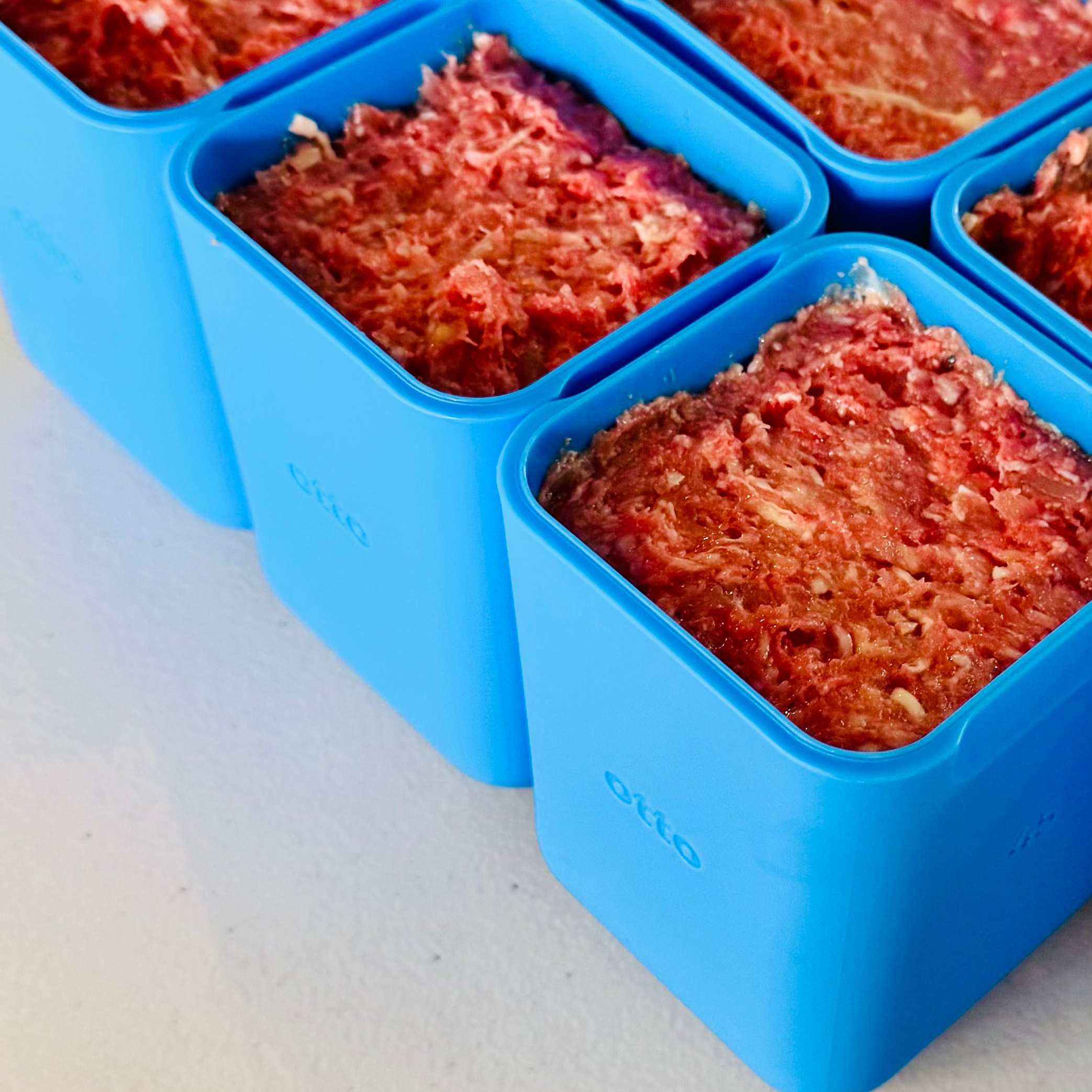
Our signature ottopods aren’t disposable. They’re thick-walled, BPA-free containers designed to be picked up, sanitized, and used again — just like the old milkman model. No trash, no guilt.
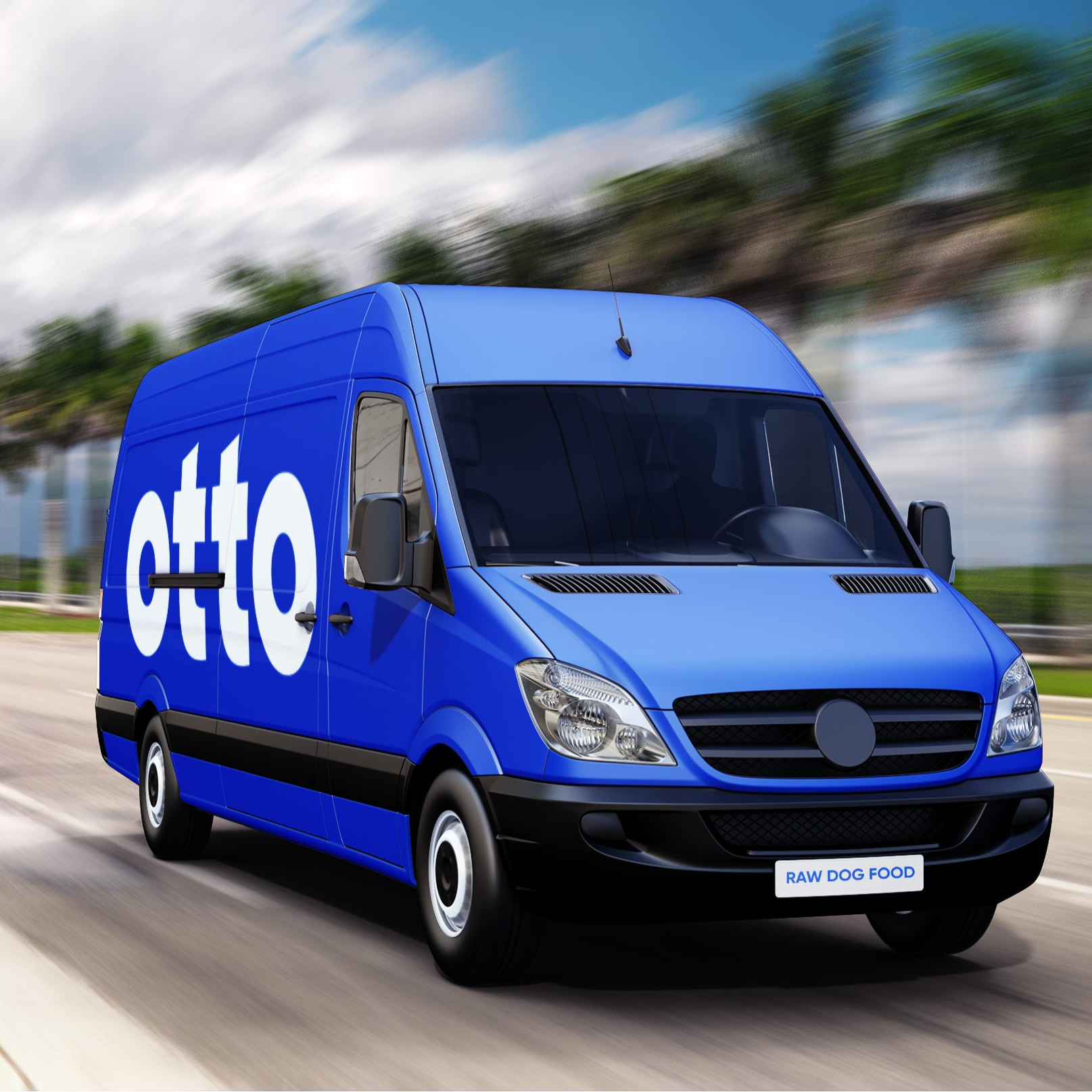
We own the delivery chain
Most brands ship via UPS or FedEx. Otto delivers every order ourselves — on our own schedule, in our own vehicles, by people who work directly for Otto. That means fresher meals, fewer errors, and a radically better customer experience.
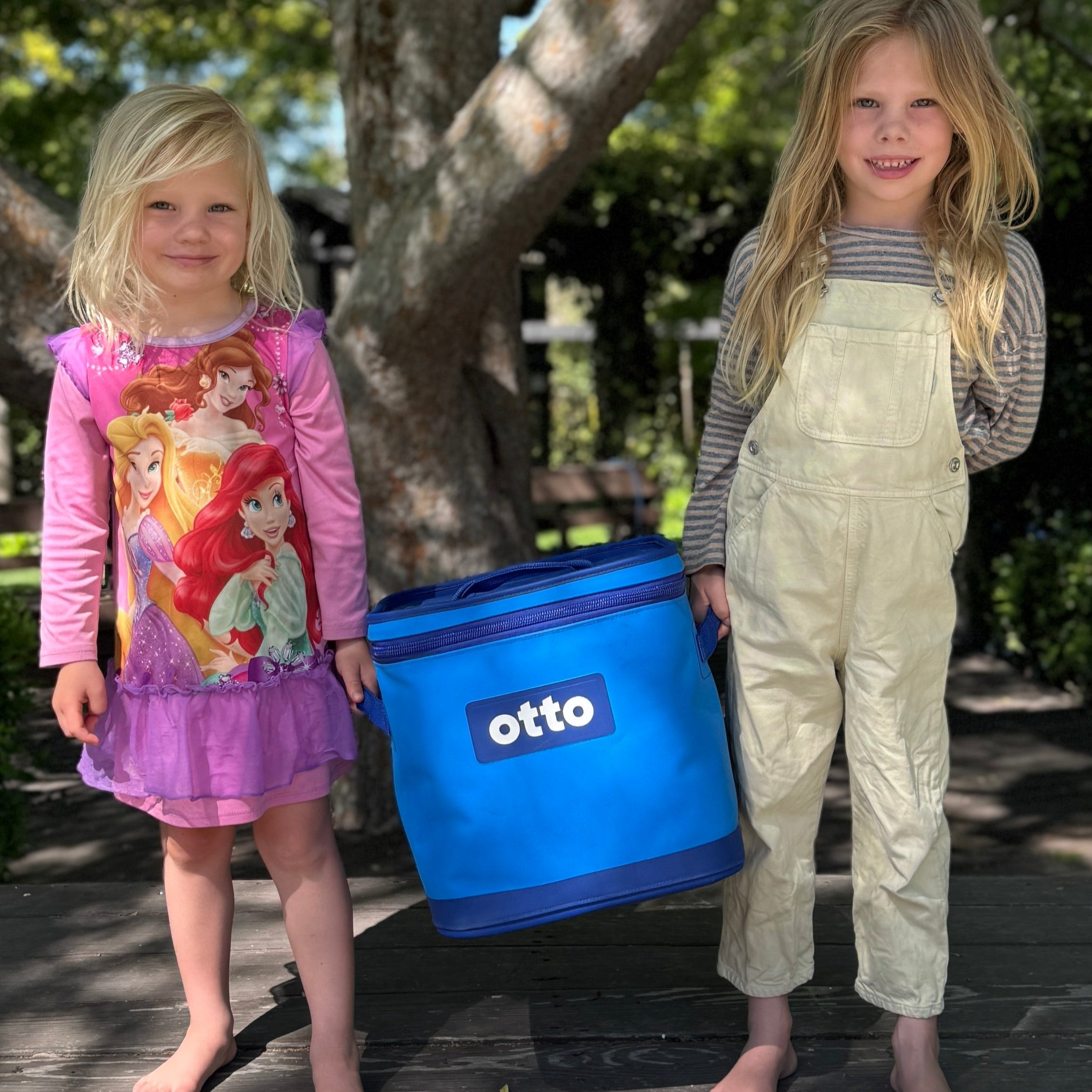
Always cold, Always clean
Our closed-loop system keeps food frozen until it hits your freezer. No melting on porches. No crushed boxes. No warm delays from third-party shippers. Just perfectly preserved raw nutrition, every time.
Designed for daily life
No thawing giant chubs. No scooping mystery meat from bags. Otto meals come in easy, pre-portioned pods that stack neatly and serve cleanly — making raw feeding not just healthier, but effortless.
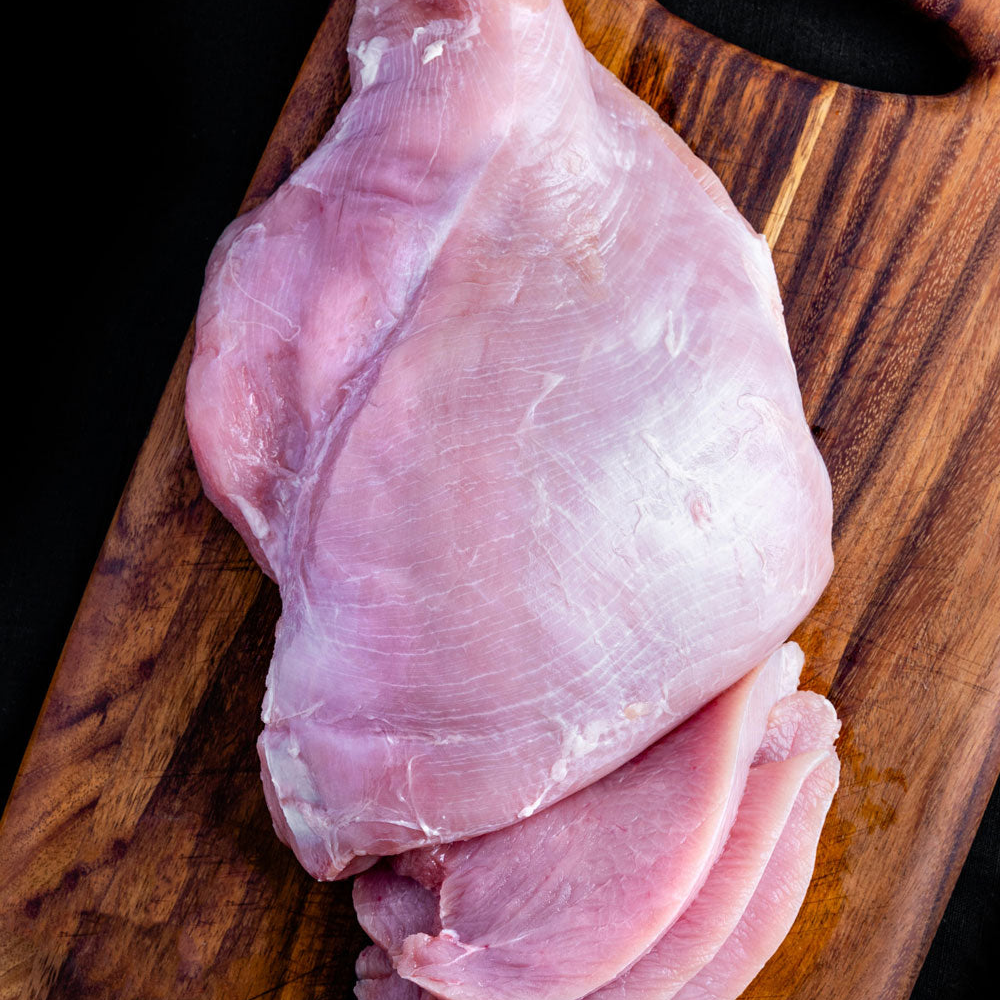
Meat : the foundation of strength
Muscle meat fuels your dog with essential protein, healthy fats, and critical nutrients that support lean muscle, energy, and vitality.
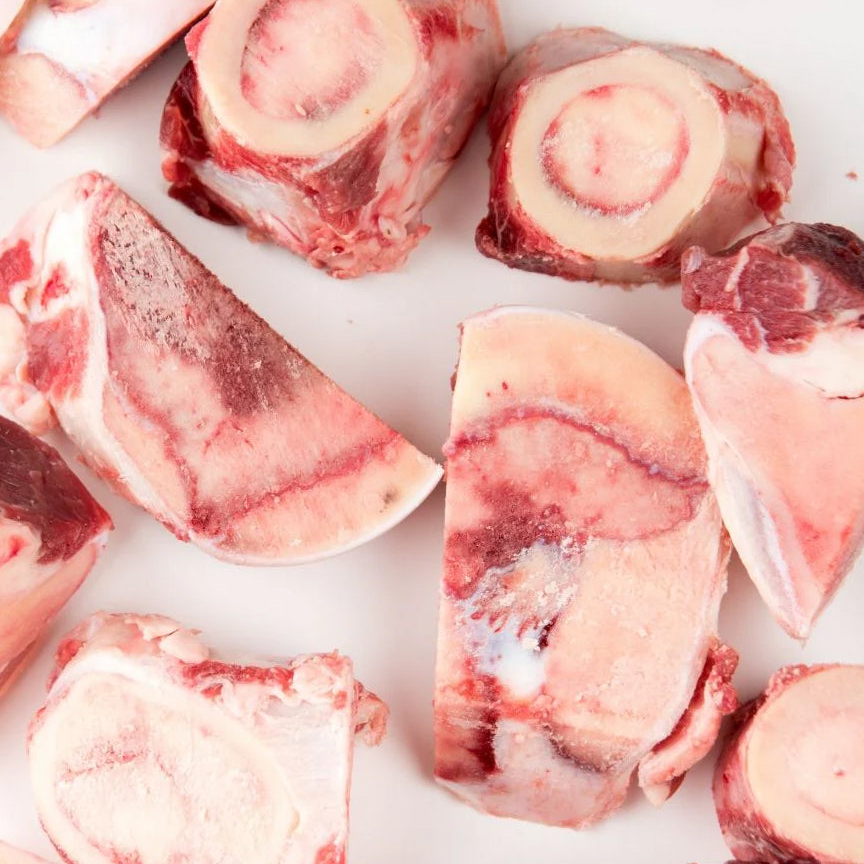
Bone : The Blueprint for Growth
Raw bone provides natural calcium, phosphorus, and other minerals essential for strong bones, healthy teeth, and nerve function
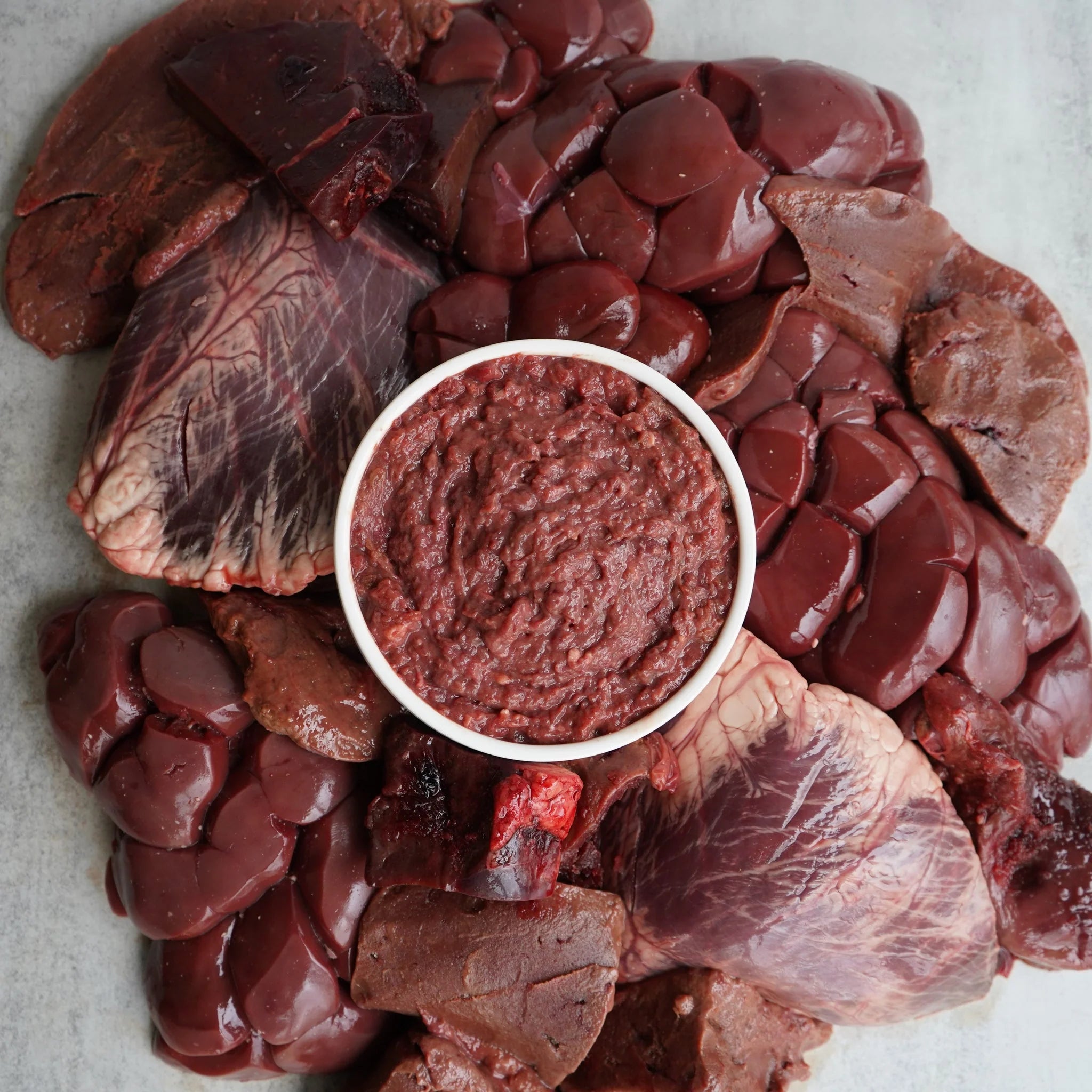
Organs : Nature's Multivitamin
Organ meats are packed with dense, bioavailable vitamins and minerals that power every cell, organ, and system in your dog’s body.